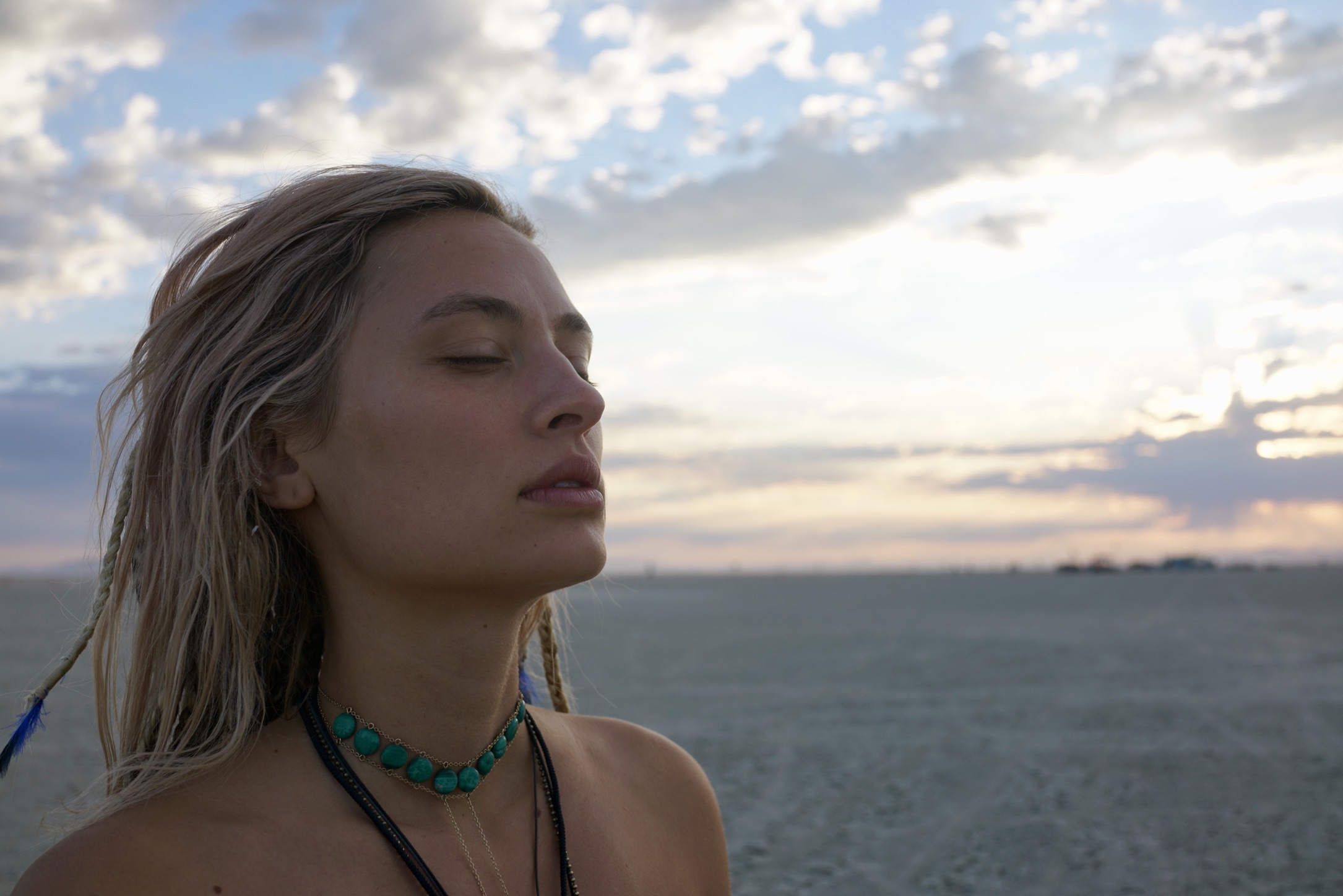
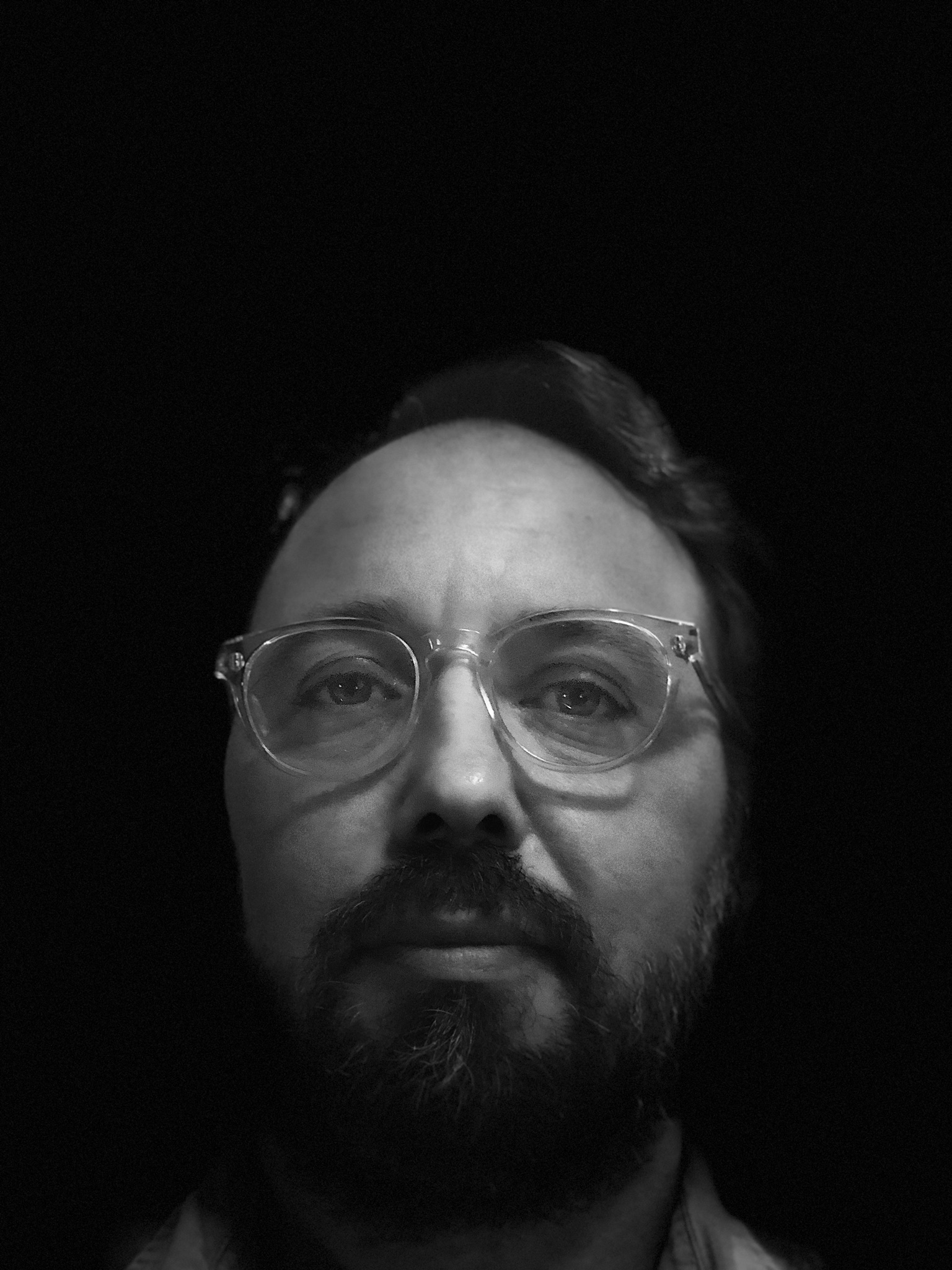
HENRI — Photographic Intelligence · A Library Read

The Library Read

Seth Goldstein, 2000–2026. 26 years of favorites, read against the tier ladder in seven movements. Click any image for the full read.

cover: 2013 — exhibition, 84
26years
598frames read
18,440favorites
257,526library
34portfolio
$16.07vision cost
Movement I — of VII

What the ladder says

598 favorites, five tiers. The heart and the ladder are different instruments.

discard 214
study 350
discard 214 · study 350 · strong 31 · portfolio 1 · exhibition 2
The favorites are a ledger of love. The ladder measures whether the frame argues. These are different instruments, and they should disagree.

598 frames read. 350 study. 214 discard. 31 strong. 1 portfolio. 2 exhibition. That is 5.7 percent at strong or better, against a sample drawn entirely from favorites — 18,431 hearts out of 257,495 images, the frames you went back for and marked.

The disagreement between your thumb and my ladder is the first finding, and it should not be read as an indictment. A favorite is a vote of love: this day mattered, this person mattered, this light reminded me of something. My ladder measures a different thing — whether the frame argues, whether a stranger with no access to your memory would stop. Most of these 564 study-and-discard frames are doing their job. Their job was never the wall. The heart-tap records a life; the tier call asks for a photograph. Twenty-six years of favorites running 58.5 percent study is not failure — it is the normal ratio of living to making, and the calibration says so: most frames are study. That is the scale working, not the scale being cruel.

One caveat, stated once: 188 of 598 frames were read from small preview derivatives, the originals offloaded to iCloud. Some of those reads may shift a band on full resolution — flagged for second read — but a tier distribution this lopsided does not flip on pixel count.

Movement II — of VII

The arc of the eye

Average score by year, 2000–2026, in 4 eras.

Early digitalThe settling eyeThe Sony yearsThe present body10203040Lowest annual average: volume outran selection disciplineExhibition 84: foxed bride, only unborrowed top-tier frameBest sustained year begins; decisions replace luck0002040608101214161820222426

Early digital, 2000–2007: 19 frames, average 27.6, nothing at strong or better. The best of the era, a 2004 child portrait at 38, says it plainly — "the image records a child well; it does not yet construct a photograph." That sentence describes the whole period. The camera is a recorder. The eye has not yet claimed the frame.

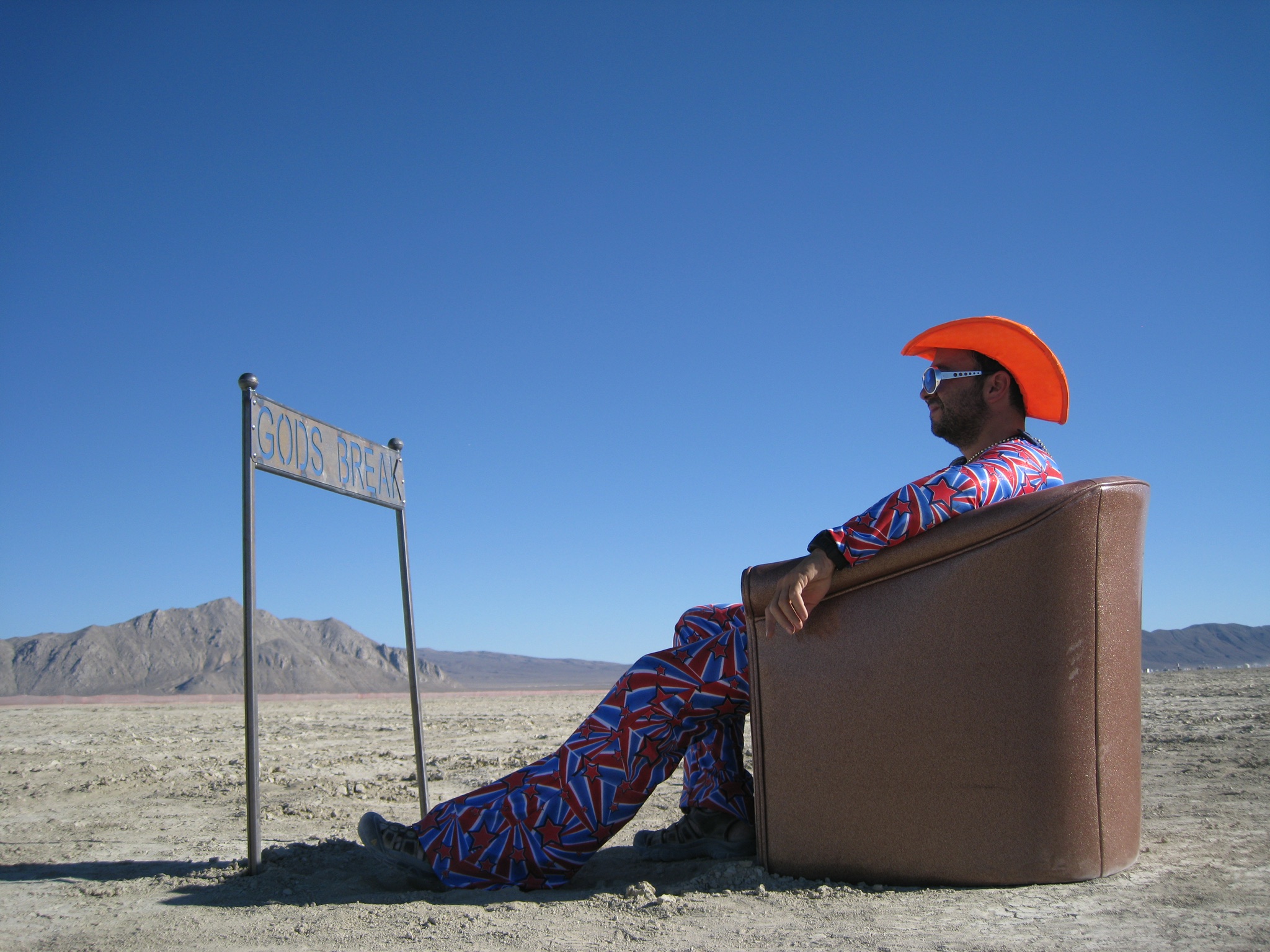
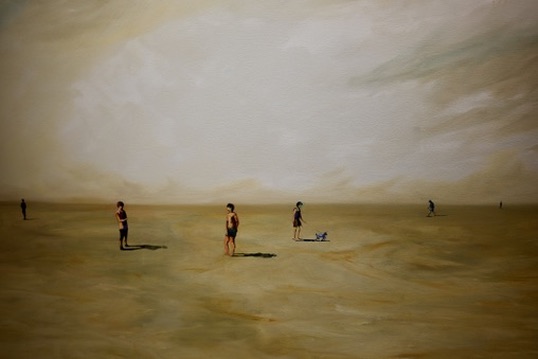
2008–2014: 31 frames, average 31.2, the first two strong-or-better calls. The yearly numbers jump around — 39.5 in 2008, 24.7 in 2012, 42 in 2013 — which is what an eye looks like when it is settling: occasional intention, not yet a discipline. The 2008 Burning Man armchair frame (61) is the first time the evidence shows a formal idea — "the sign, the costume, the armchair, and the void are in genuine formal and semantic conversation."

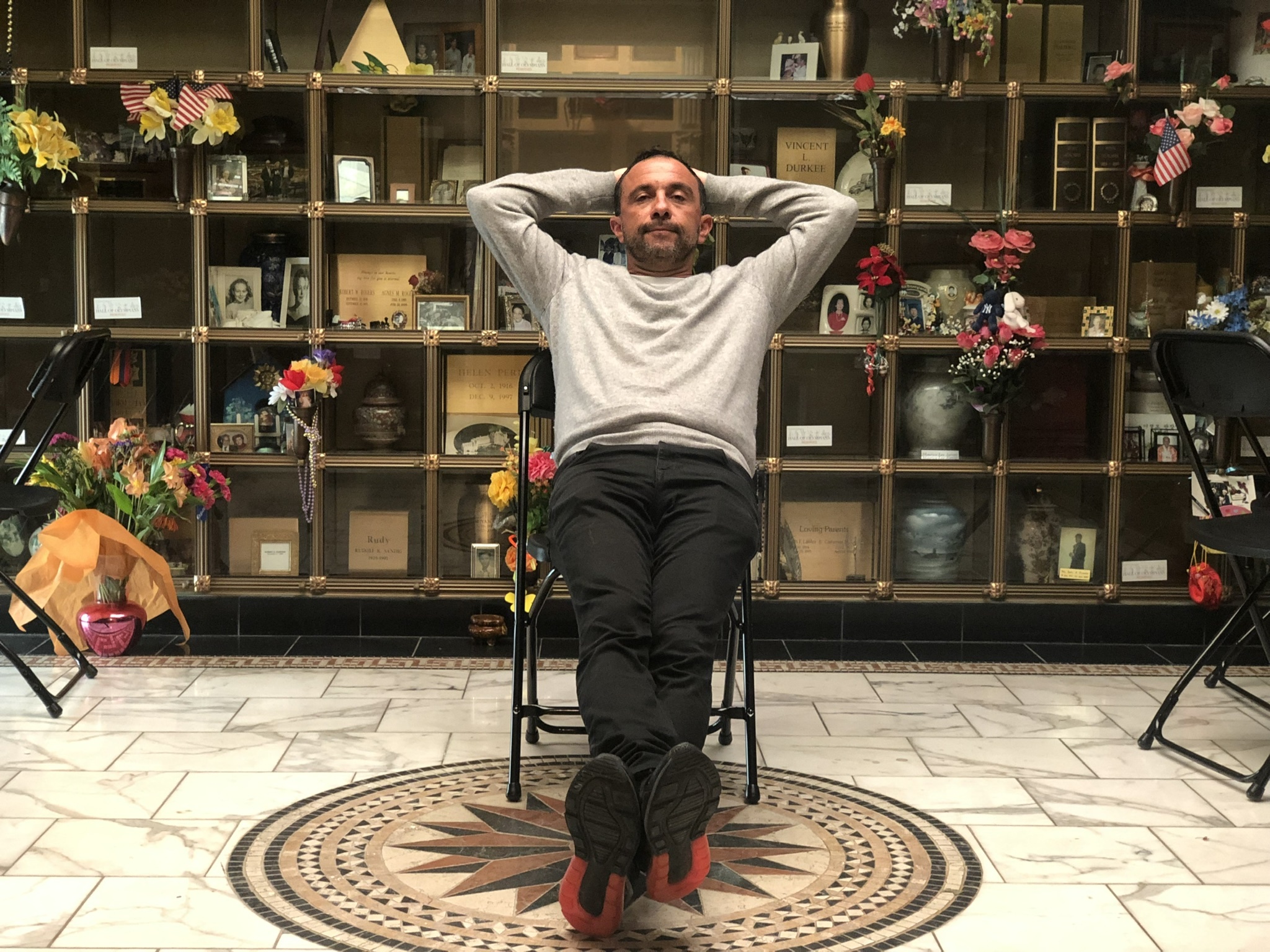
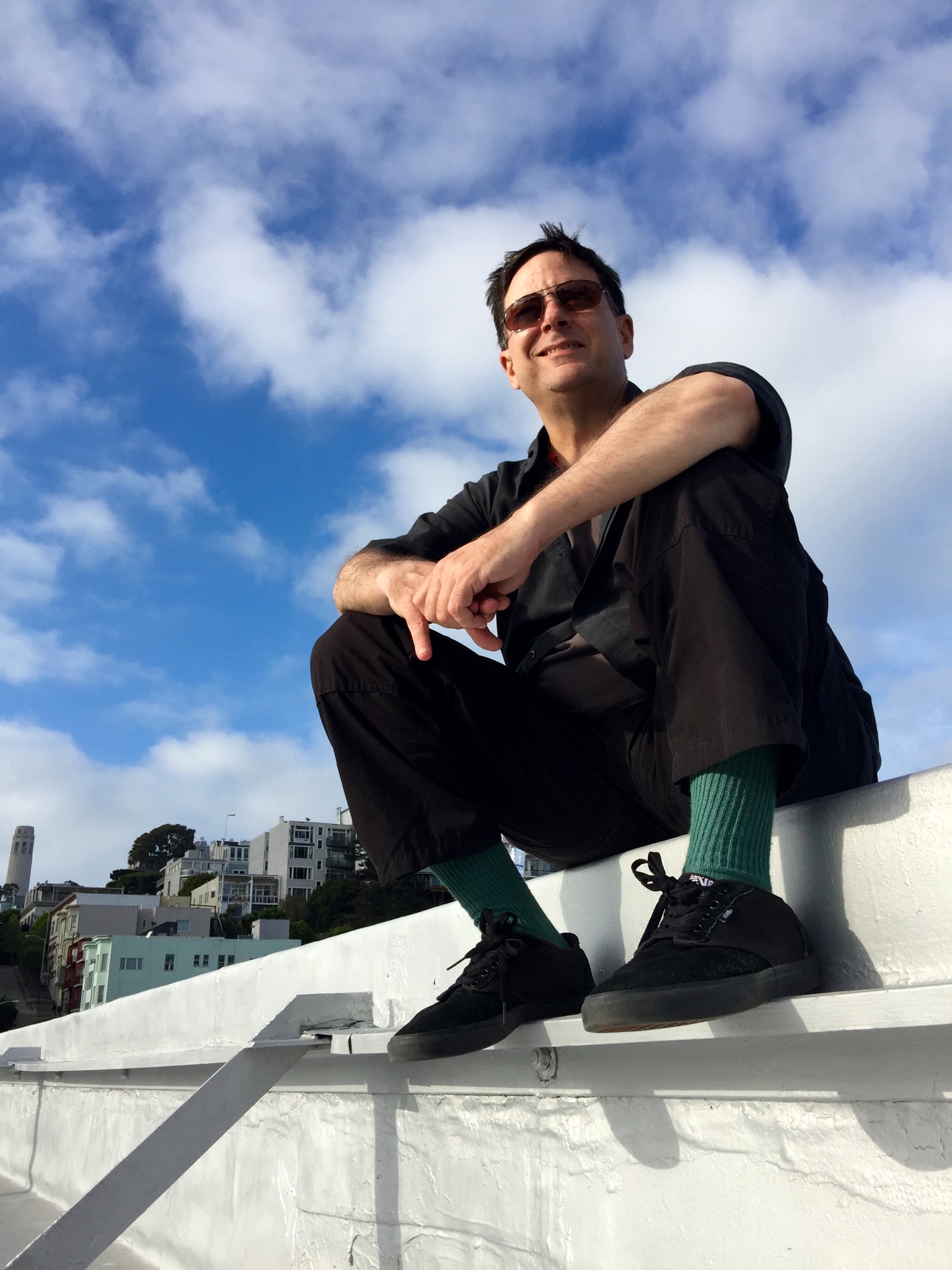
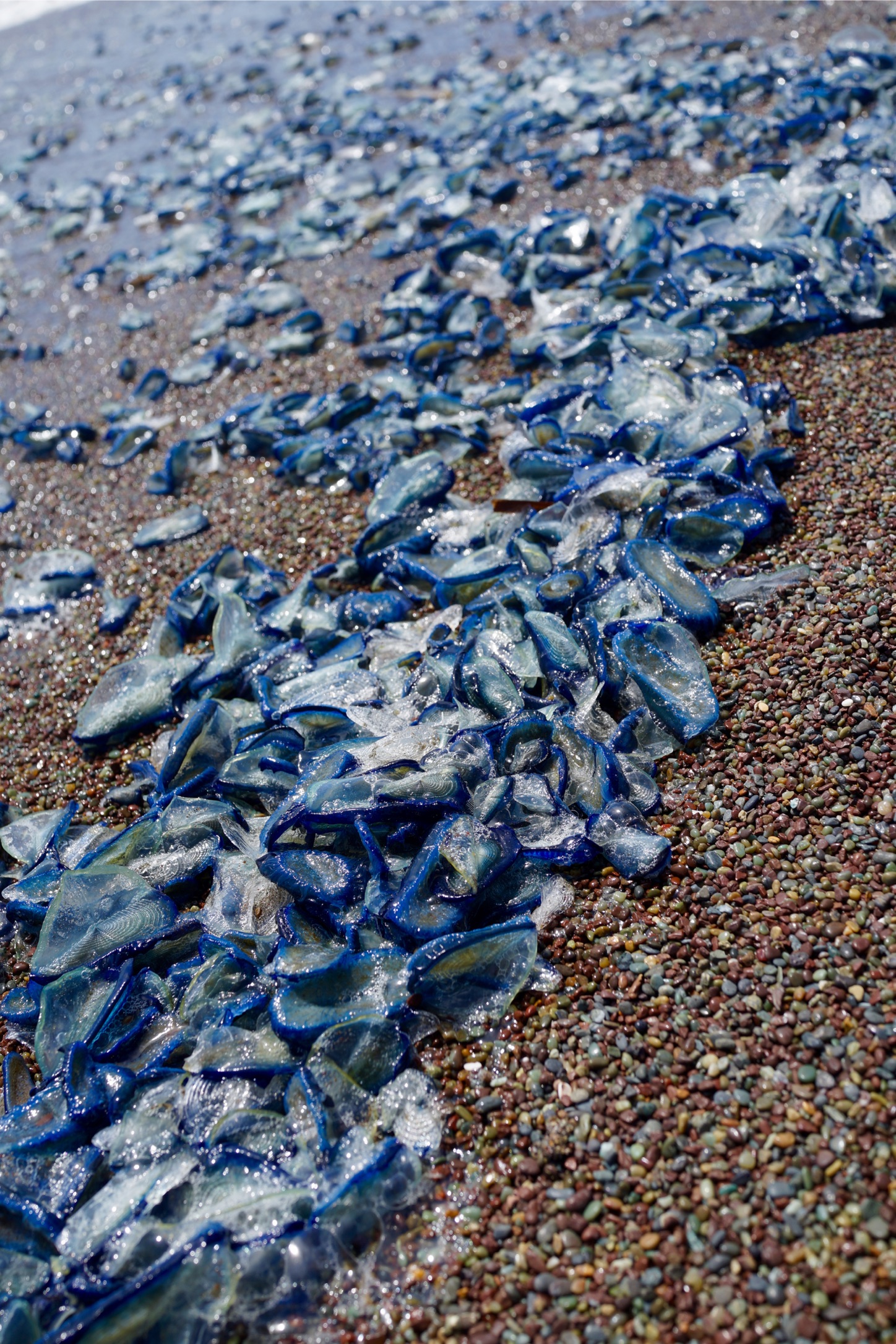
The Sony years, 2015–2019: 226 frames, and the average drops to 26.6, the lowest of any era. 2016 bottoms out at 20.8. The volume tripled and the hit rate fell — the camera got better and the favorites got looser. But the nine strong frames from this period are different in kind from what came before: the Velella stranding (2015, 61), where "the diagonal composition is earned rather than imposed"; the columbarium self-portrait (2019, 61), a genuine conceptual proposition — "ease as a posture of intimacy with death." The era reads as appetite outrunning selection.

2020–2026: 322 frames, average back to 31.2, and 23 of the 31 strong-or-better frames in the entire sample. 2022 averages 34.3, 2023 averages 34.7 — the two best sustained years of the twenty-six. This is where the seeing sharpened, and the justifications say what sharpened it: decisions. "The decision to frame tight — denying sky and scale — is the right call." "The backlighting decision is the image's real intelligence." "The decision to use shallow DOF... is the correct formal choice." The late frames are not luckier. They are chosen before the shutter, not after.

Movement III — of VII

The frames that hold

2 exhibition calls in 598 reads — and what they share.
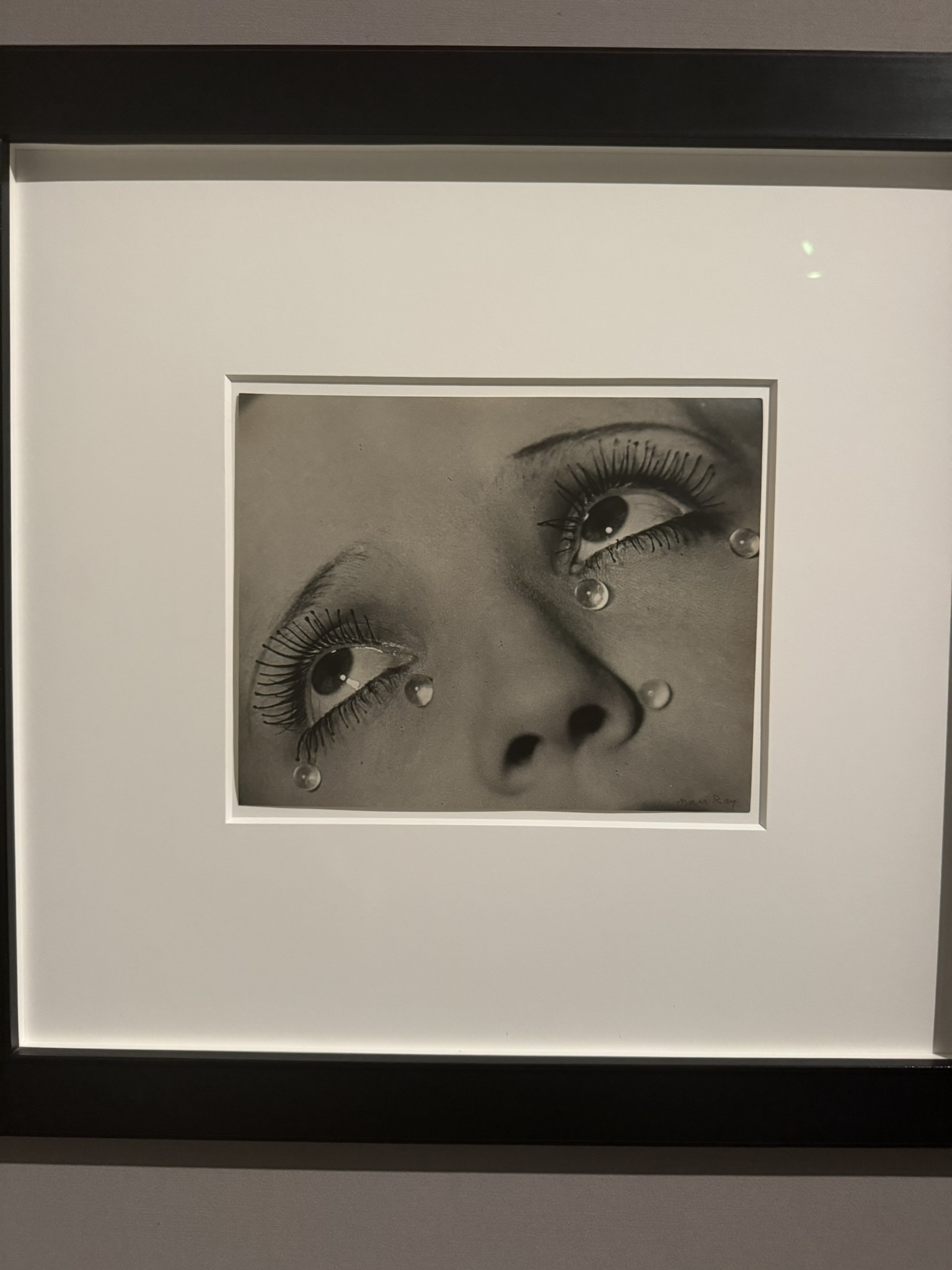
exhibition · 91
2025
This is a canonical work of 20th-century photographic history, not an image being evaluated for the first time.
the full read

This is a canonical work of 20th-century photographic history, not an image being evaluated for the first time. Its score reflects its historical weight and formal resolution: the tension between constructed grief and formal beauty remains operative nearly a century after it was made. The score is applied to the work, not to the act of photographing it on a gallery wall — which is what has actually been submitted here.
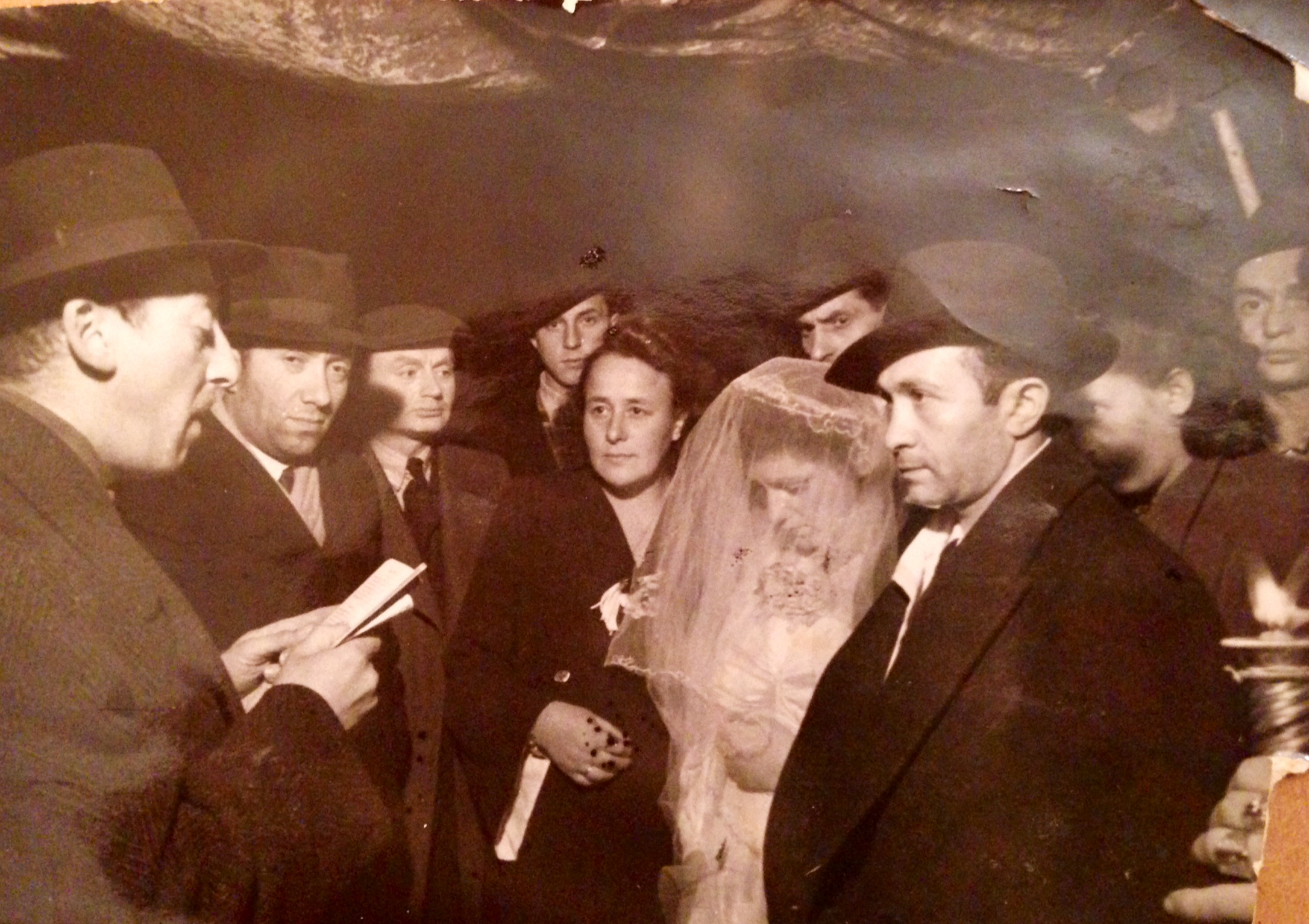
exhibition · 84
2013
This image earns exhibition tier not through technical mastery but through the weight of what it contains and what the deterioration of the print has done to that content.
the full read

This image earns exhibition tier not through technical mastery but through the weight of what it contains and what the deterioration of the print has done to that content. The physical damage to the photograph — the peeling emulsion, the foxing, the torn upper register — has become inseparable from the image's meaning: a ceremony of survival photographed on a medium that is itself dying. The bride's veiled, downcast face at the luminous center of a ring of grave witnesses produces a punctum that does not release. Benjamin's 'aura' is here not in spite of the reproduction but in the visible mortality of the original object.
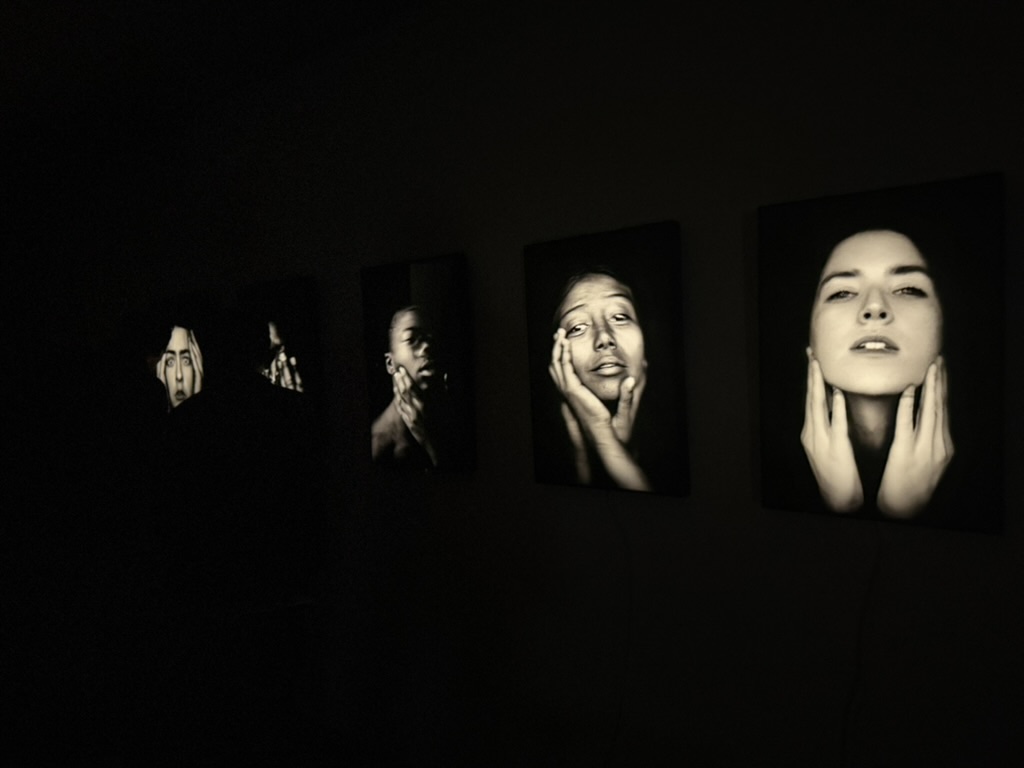
portfolio · 71
2026
This is not a photograph of portraits — it is a photograph about how portraits function in sequence and space.
the full read

This is not a photograph of portraits — it is a photograph about how portraits function in sequence and space. The decision to let the gallery darkness consume the frame while the luminous prints float within it is formally intelligent and produces genuine meaning: visibility as earned, not given. The consistent gesture across subjects transforms individual images into a single argument. What holds it from exhibition tier is the photograph's dependence on its subject — the installation does much of the work, and the camera's contribution is primarily one of skilled observation rather than formal invention.

Two exhibition calls out of 598, and both require honesty about what was scored.

The 91, dated December 2025, is Man Ray's Les Larmes, c. 1932, photographed on a gallery wall. The score belongs to Man Ray: "the score is applied to the work, not to the act of photographing it." It stays in the report because it tells the truth about your eye — you stood in front of a canonical image and knew to keep it — but the tier is borrowed, not made.

The 84, from September 2013, is the one that holds on its own terms, and it is also a photograph of a photograph: a mid-century Jewish wedding, the print itself dying — "peeling emulsion, the foxing, the torn upper register" — and the damage "inseparable from the image's meaning: a ceremony of survival photographed on a medium that is itself dying." The bride's veiled face at the center of grave witnesses produces "a punctum that does not release." This is the strongest act of seeing in the sample: recognizing that the object's mortality had become the subject, and framing for it.

So the finding stands without softening: in twenty-six years of favorites, the two frames that reached the top tier were both made in front of someone else's image. The eye that judges is, on this evidence, ahead of the eye that hunts.
Movement IV — of VII

What you keep reaching for

4 habits the strong tier repeats — and the wall where the argument stops.

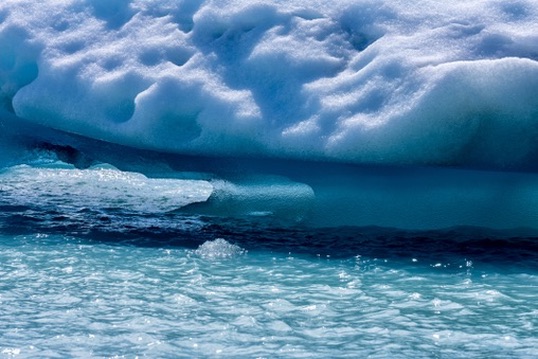
Water as architecture

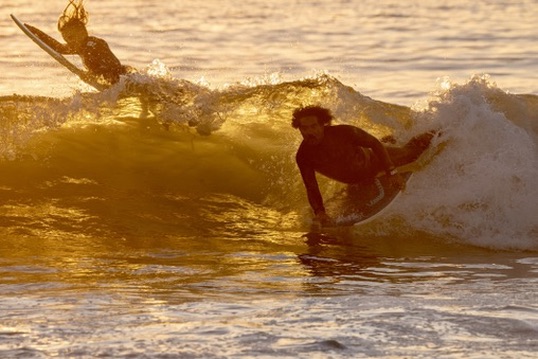
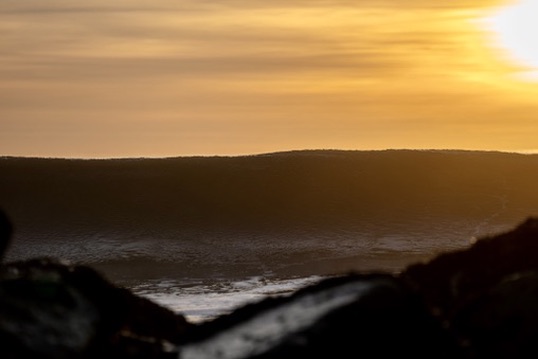
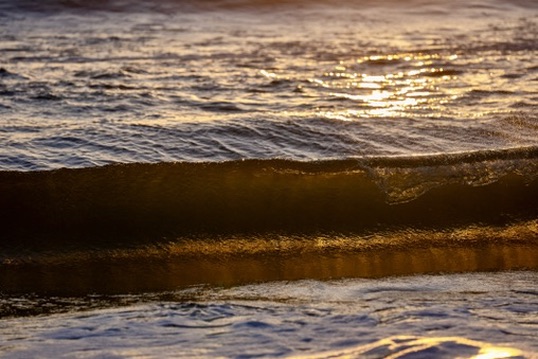
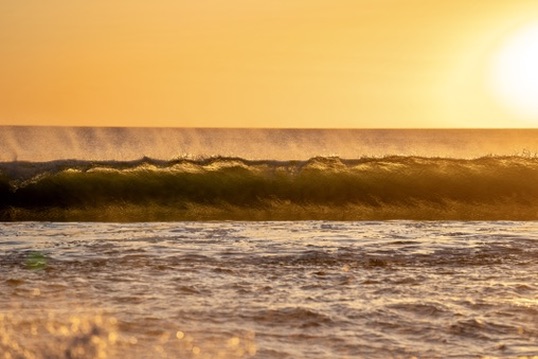
Three backlit breaking waves in 2023 alone — translucency earned, punctum absent; the why-this-wave problem unsolved.

Art about art

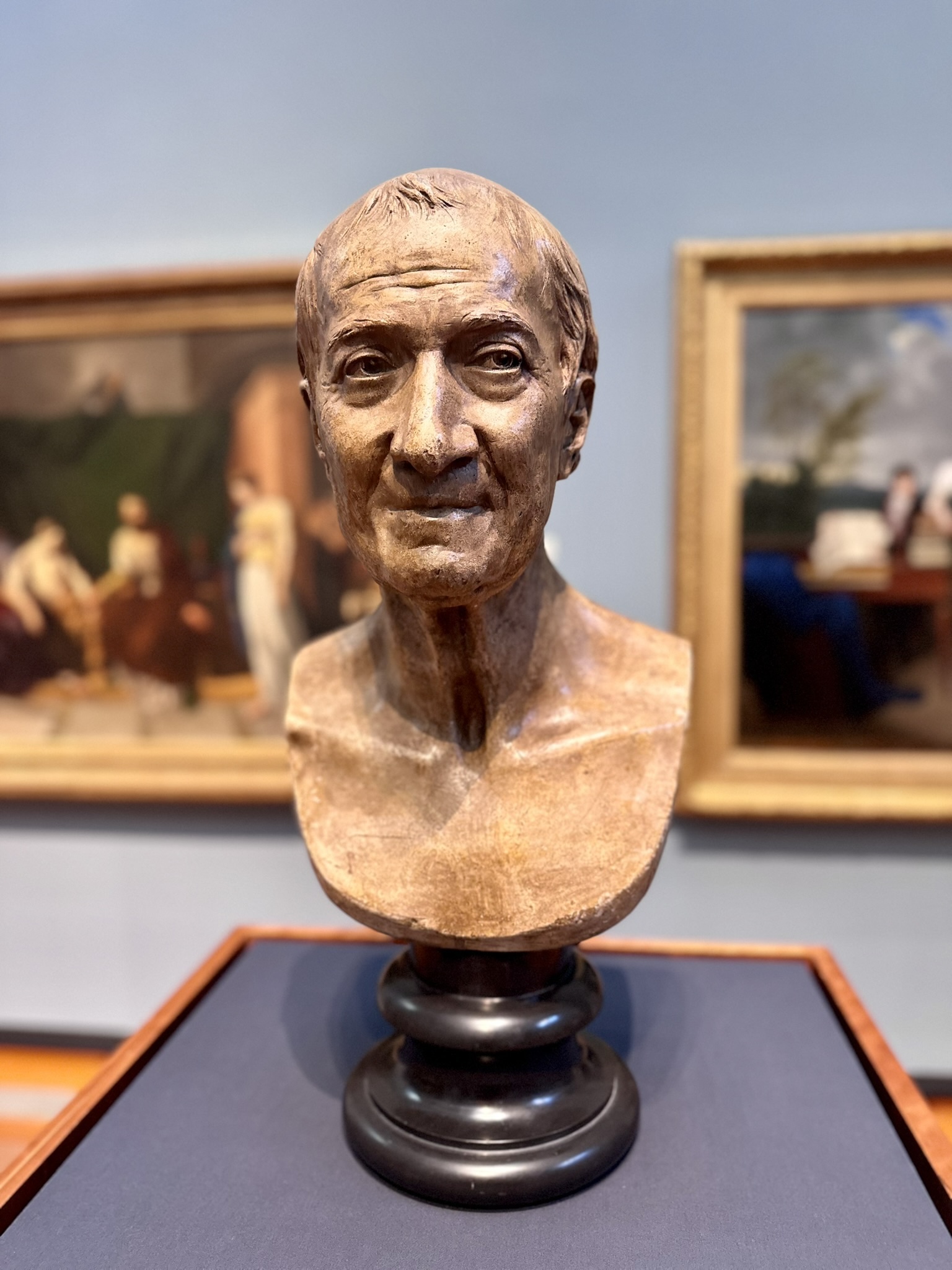
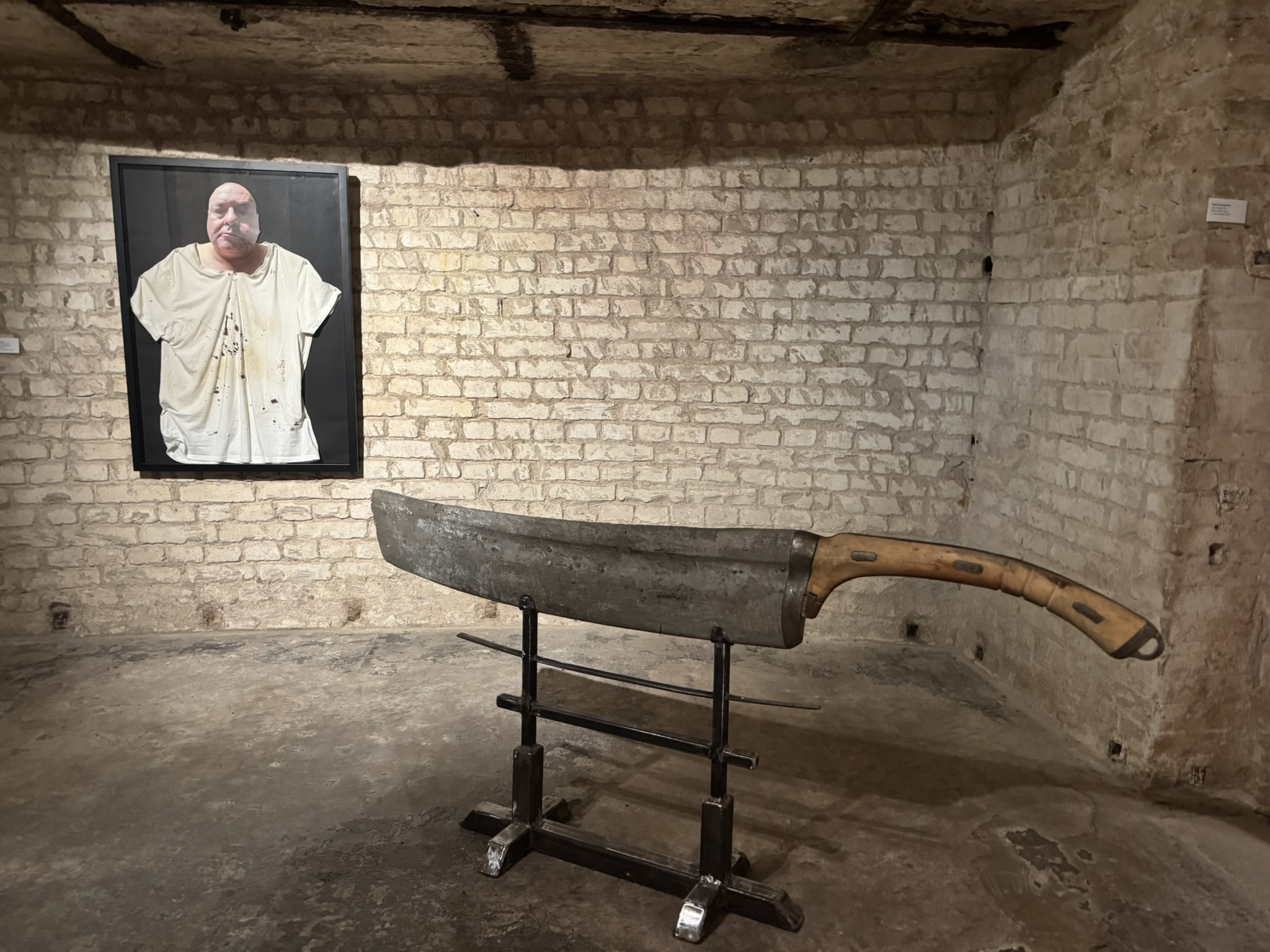
Roughly a third of the strong tier was made inside museums and galleries; photographing others' seeing sharpens your own.

Found structure and repetition

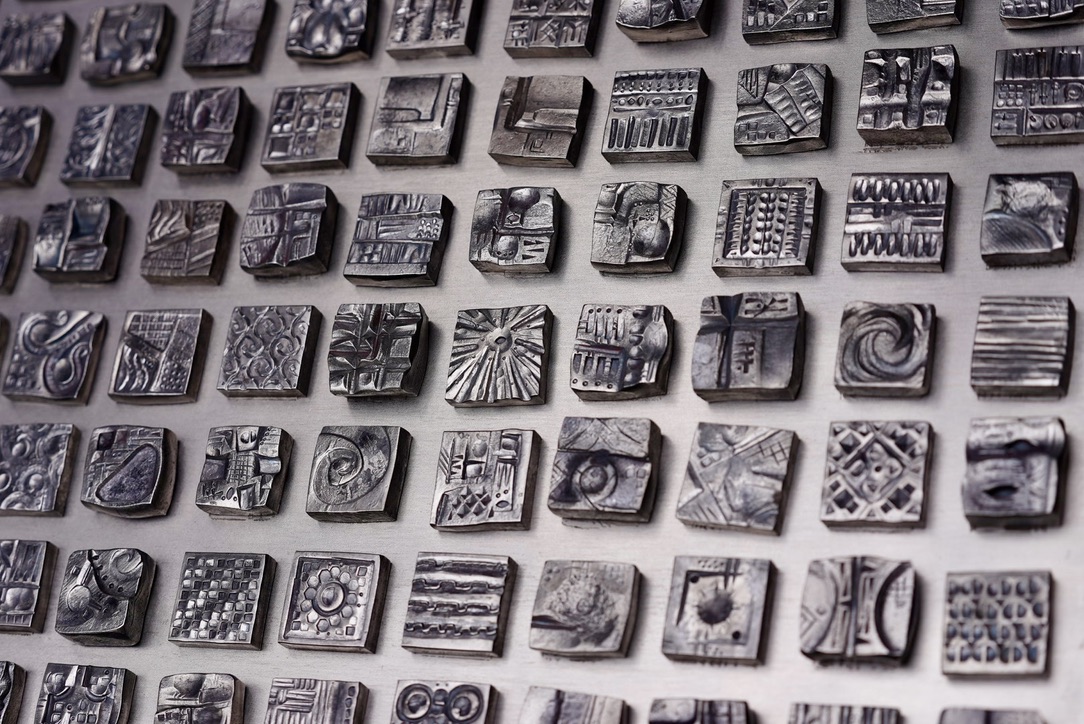
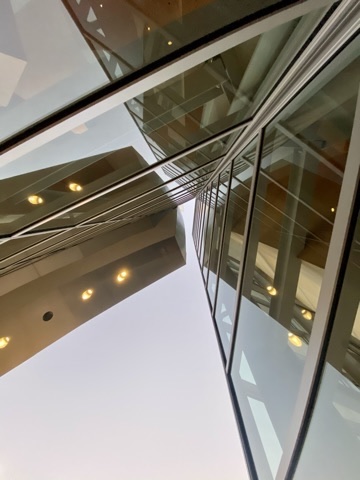
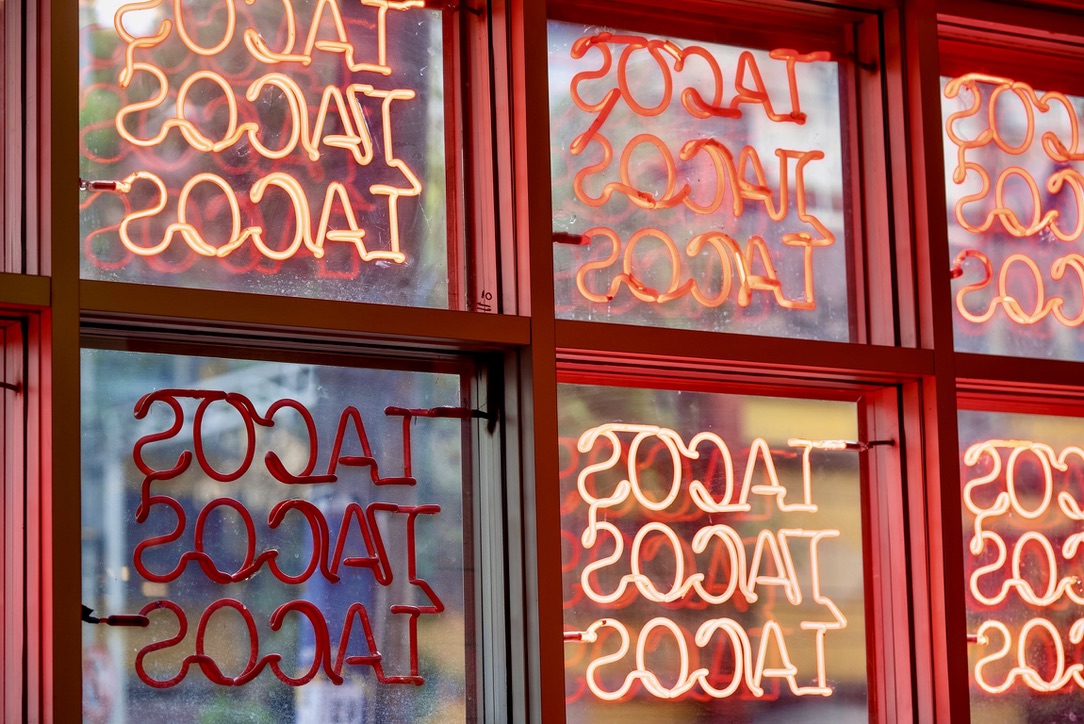
The eye likes systems it can frame into pattern — neon grids, carved blocks, atrium geometry.

People at work and ritual

Portraits score when the subject is absorbed in something other than the camera.

The 58 wall

22 strong frames sit at exactly 58. The craft clears the bar consistently; the argument stops one move short, consistently.

2017201720182018202020202021202220222023202320232023202320232023202320232024202520252026
Movement V — of VII

The people in the frame

Presence by year across all 18,440 favorites — who was in front of the lens, and when.

self-portraitsself-portraits · 2004: 4self-portraits · 2007: 1self-portraits · 2008: 1self-portraits · 2010: 2self-portraits · 2012: 1self-portraits · 2013: 1self-portraits · 2014: 30self-portraits · 2015: 102self-portraits · 2016: 101self-portraits · 2017: 227self-portraits · 2018: 176self-portraits · 2019: 155self-portraits · 2020: 174self-portraits · 2021: 93self-portraits · 2022: 105self-portraits · 2023: 132self-portraits · 2024: 93self-portraits · 2025: 93self-portraits · 2026: 77KristiKristi · 2018: 75Kristi · 2019: 187Kristi · 2020: 285Kristi · 2021: 115Kristi · 2022: 86Kristi · 2023: 73Kristi · 2024: 25Kristi · 2025: 86Kristi · 2026: 79CharlieCharlie · 2002: 1Charlie · 2004: 4Charlie · 2005: 3Charlie · 2006: 1Charlie · 2007: 2Charlie · 2010: 4Charlie · 2013: 1Charlie · 2014: 11Charlie · 2015: 54Charlie · 2016: 83Charlie · 2017: 111Charlie · 2018: 71Charlie · 2019: 109Charlie · 2020: 64Charlie · 2021: 42Charlie · 2022: 23Charlie · 2023: 30Charlie · 2024: 20Charlie · 2025: 6JacobJacob · 2004: 8Jacob · 2007: 1Jacob · 2009: 2Jacob · 2010: 4Jacob · 2012: 4Jacob · 2013: 1Jacob · 2014: 12Jacob · 2015: 28Jacob · 2016: 67Jacob · 2017: 108Jacob · 2018: 40Jacob · 2019: 24Jacob · 2020: 41Jacob · 2021: 26Jacob · 2022: 5Jacob · 2023: 35Jacob · 2024: 14Jacob · 2025: 7Jacob · 2026: 1AmeesiaAmeesia · 2018: 38Ameesia · 2019: 60Ameesia · 2020: 23Ameesia · 2021: 18Ameesia · 2022: 24Ameesia · 2023: 28Ameesia · 2024: 8Ameesia · 2025: 20Ameesia · 2026: 25JonasJonas · 2001: 1Jonas · 2004: 1Jonas · 2010: 1Jonas · 2012: 1Jonas · 2013: 1Jonas · 2014: 4Jonas · 2015: 7Jonas · 2016: 14Jonas · 2017: 70Jonas · 2018: 7Jonas · 2019: 24Jonas · 2020: 11Jonas · 2021: 3Jonas · 2022: 12Jonas · 2023: 4Jonas · 2025: 2travel rangetravel range · 2011: 1travel range · 2012: 1travel range · 2013: 2travel range · 2014: 9travel range · 2015: 19travel range · 2016: 19travel range · 2017: 17travel range · 2018: 22travel range · 2019: 24travel range · 2020: 14travel range · 2021: 10travel range · 2022: 5travel range · 2023: 4travel range · 2024: 18travel range · 2025: 27travel range · 2026: 110002040608101214161820222426

As a partner

Kristi enters the favorites in 2018 — 75 appearances, no prelude. The curve is steep: 187 in 2019, 285 in 2020, her peak and the archive's single largest presence in any year. That peak is the lockdown year; when the world contracted, the frame contracted to her. Then the descent — 115, 86, 73, down to 25 in 2024, the thinnest year of the relationship's record. 2025 and 2026 recover to 86 and 79. The data shows a partnership that was photographed hardest when nothing else could be, then nearly disappeared, then returned to a steady middle register.

As a dad

The boys are scattered single digits from 2002 to 2013 — one frame here, four there. Then 2014: Charlie at 11, Jacob at 12, and the curve climbs together to a shared summit in 2017 — Charlie 111, Jacob 108. After that, divergence and decline. Charlie holds longer: 109 in 2019, 64 in 2020, then the slide to 6 in 2025 and silence in 2026. Jacob drops faster, flickers back — 35 in 2023 — then 1 in 2026. The fatherhood record peaks when the children are still in the house and thins as they leave the frame on their own legs.

As a traveler

One or two travel cells per year through 2013 — a life lived in place. 2014 opens it: 9 cells, then 19, 19, 17, 22, peaking at 24 in 2019. The collapse is legible to the year: 14 in 2020, 10, 5, 4 by 2023 — six years of range erased to near the 2013 baseline. The return is not gradual. 18 cells in 2024, then 27 in 2025 — the widest year in the record, wider than anything pre-COVID. 11 cells by 2026, a partial year already matching the mid-2010s. The traveler came back larger than he left.

The phases, read together

The partner fills the frame exactly when the traveler vanishes, and the traveler returns exactly as the children go — three curves trading the same finite attention across 26 years.

Movement VI — of VII

The map of the eye

401 located reads. Gold is portfolio (14 placed) — click one for its read.

Movement VII — of VII

The verdict that is not a verdict

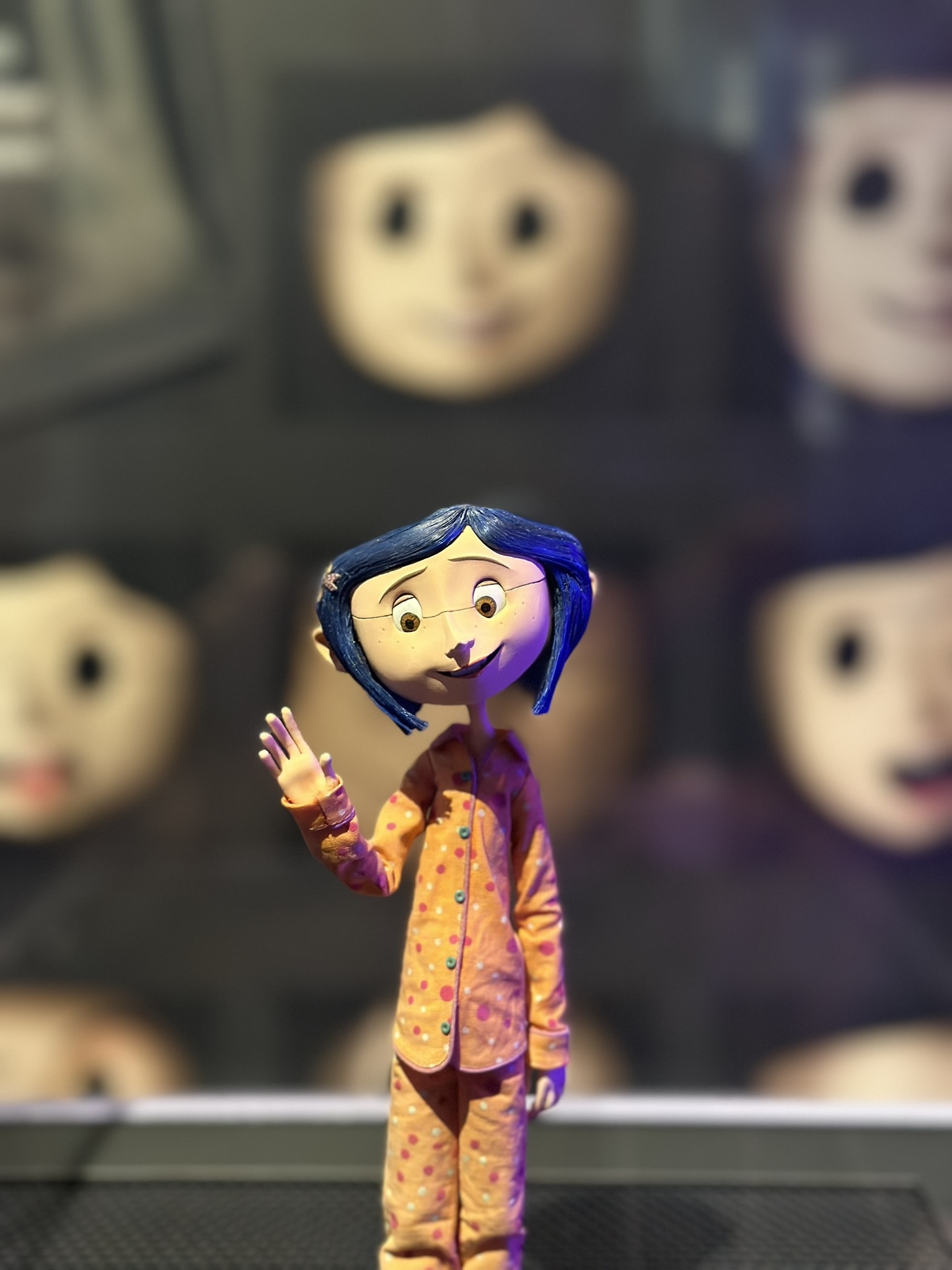
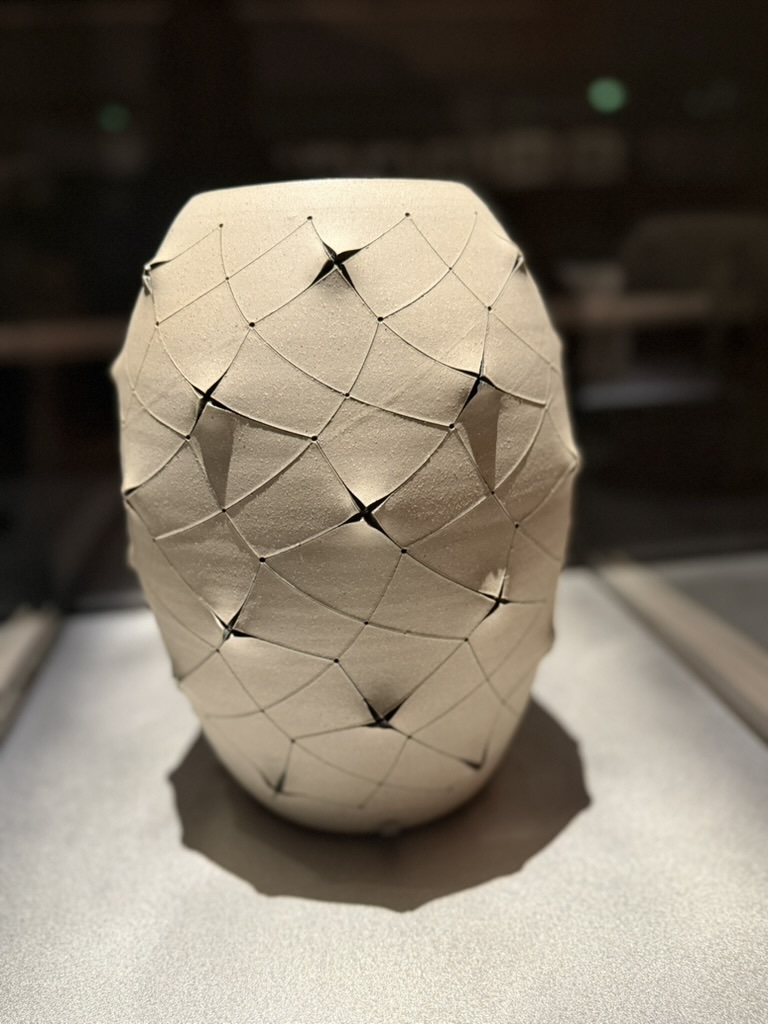
Read as one body, this archive is the record of an eye that learned to decide — slowly through 2014, indiscriminately through 2019, then deliberately from 2022 on — and that decides best in the presence of other made things: prints, paintings, puppets, vessels, the dying wedding photograph that earned the only unborrowed exhibition call here. The work is pointing at the gap between the 58s and the 84: between frames that are correct and frames that will not release. The eye already knows the difference — it found Les Larmes on a wall and it found the foxed bride in a pile. The 26-year question the next frames will answer is whether that recognizing eye and the hunting eye are, finally, the same eye.

Appendix

The portfolio — 34 frames

Sorted by score. Gold border: exhibition. Click any frame — arrows and swipe navigate; the map and motifs open the same sequence.

exhibition 91 2025
exhibition 84 2013
portfolio 71 2026
strong 62 2022
strong 62 2023
strong 62 2023
strong 61 2008
strong 61 2015
strong 61 2019
strong 58 2017
strong 58 2017
strong 58 2018
strong 58 2018
strong 58 2020
strong 58 2020
strong 58 2021
strong 58 2022
strong 58 2022
strong 58 2023
strong 58 2023
strong 58 2023
strong 58 2023
strong 58 2023
strong 58 2023
strong 58 2023
strong 58 2023
strong 58 2023
strong 58 2024
strong 58 2025
strong 58 2025
strong 58 2026
strong 54 2015
strong 54 2017
strong 54 2017

Method. 598 frames, sqrt-stratified by year, month-balanced, edited-favorites preferred (the double vote). 188 read from small previews — originals iCloud-offloaded; those reads say so in their panels. Favorites only: this reads the photographer’s own selection. Voice audit at egress: clean.